Wii Balance Board Alarm Clock – Outcomes and Six-Month Review
The story of how a Wii Fit and Raspberry Pi board didn’t change my behavior but ignited a desire that I didn’t know I had.
This is the fifth and final part of this series; the first post is here.
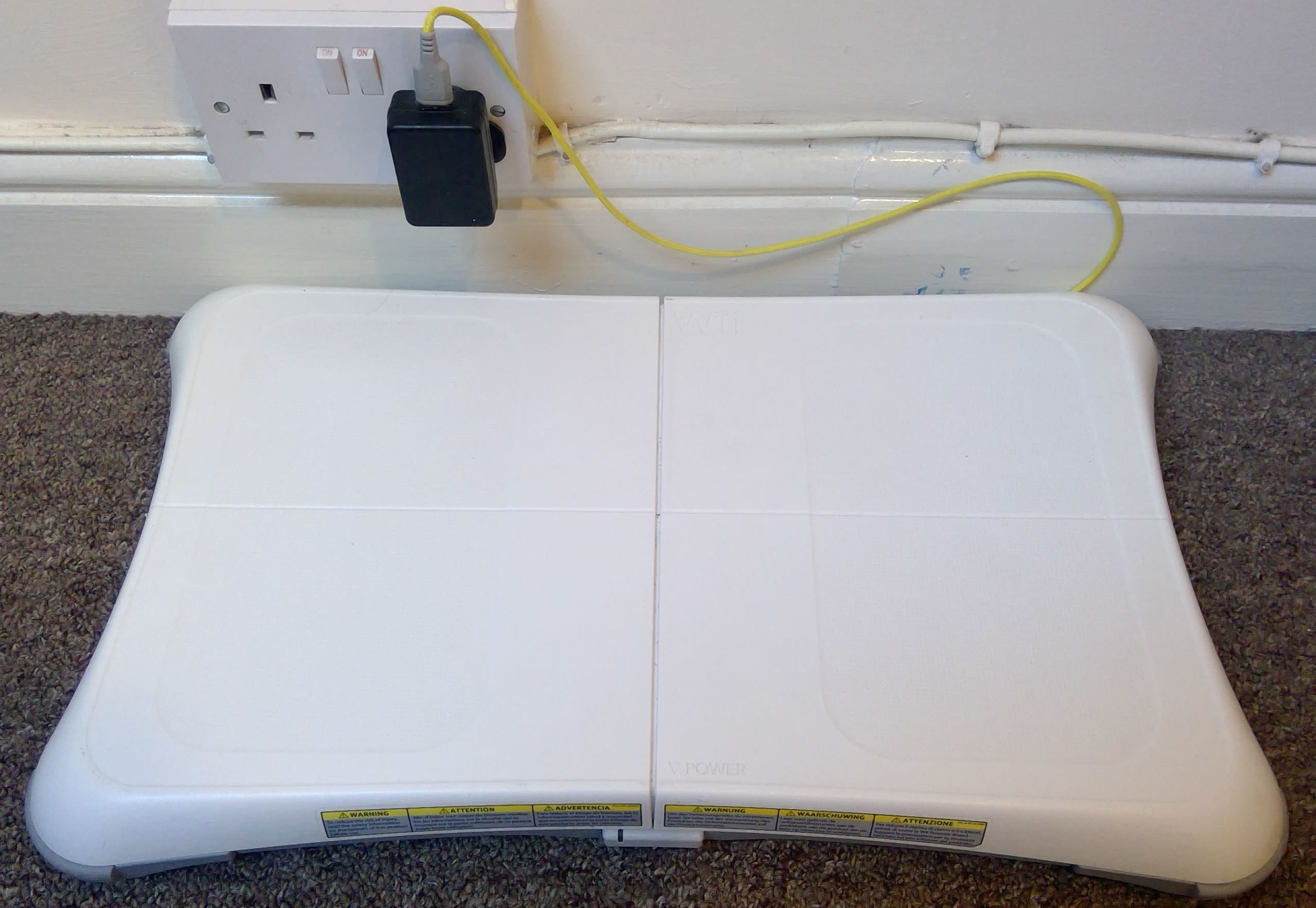 The alarm clock in its final position.
On 21 July 2020, I promptly stepped on the alarm clock at 6am and calmly stood there for a full minute in the cool summer morning. After coming to grips with the world, I got up and followed a relaxed, healthy morning routine I already had in place. You know the ones we’re all told we should do: a cup of coffee and three hours of meditation. Success.
Fast forward four months. One morning the board alarm went off at 8am, waking me with a start. I heaved myself out of bed, stood on the board for that full minute whilst contemplating the grief I had put myself through. Then I promptly got back into bed for another hour and a half. Failure.
My original desire for the board to be a great way for me to shake off the sleepiness has not worked. My morning brain no longer agrees with last night’s brain that we are going to get up and do all the morning things.
At this point, I considered my morning laziness probably couldn’t be overcome simply with some annoying technology. It’s likely a combination of factors such as the pandemic, age, discipline, and subscribing to the ‘Just in Time’ morning method.
Therefore, I started to get bored with an annoying alarm clock that was plainly not doing its job of waking me. That was until I looked at the spreadsheet that had been quietly amassing the data from each of the painful morning trials. I decided to create a graph using the data, which looks like this.
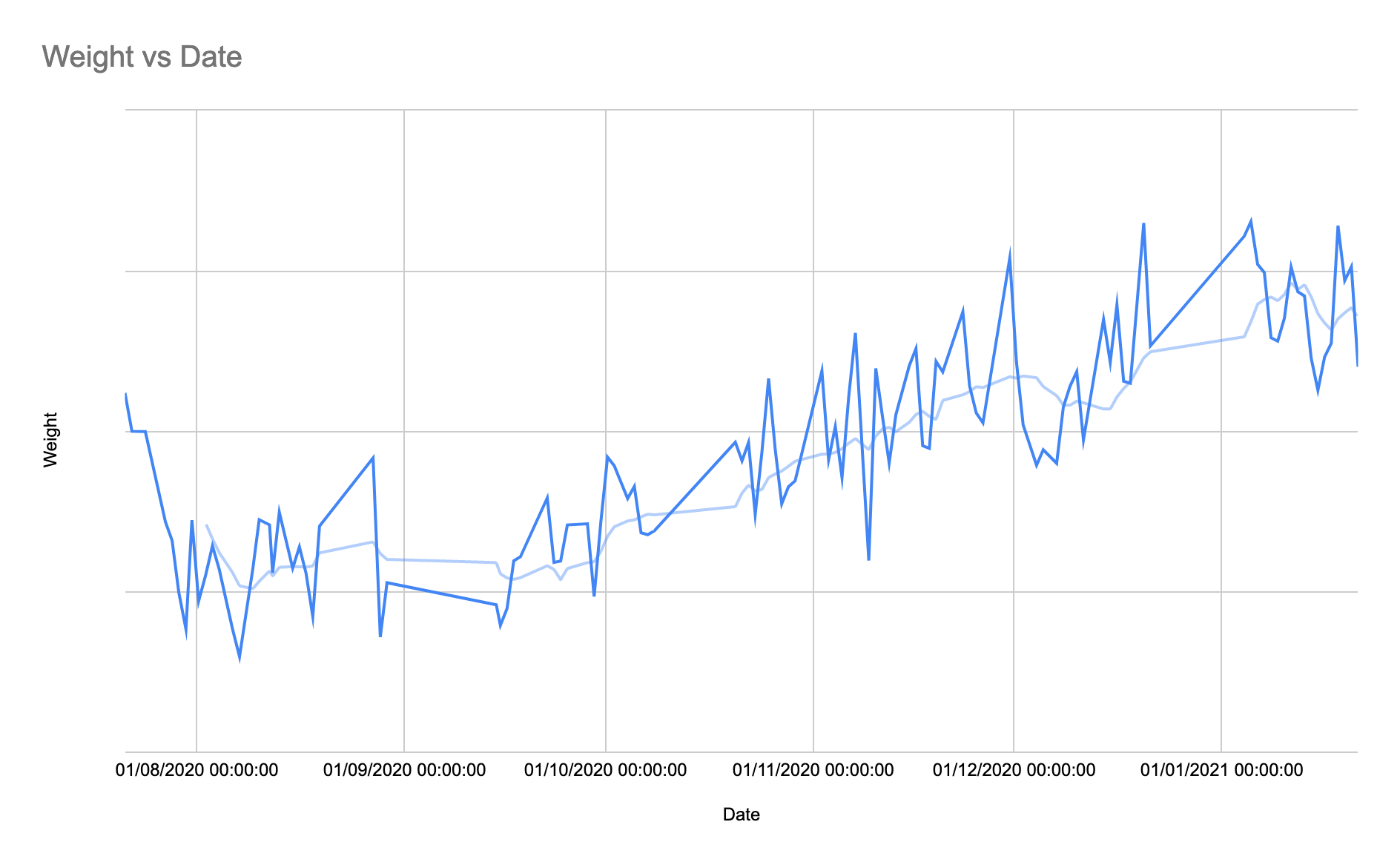 This graph shows my weight over time.
I saw a slow upward creep in my daily weight as winter drew in, and the creep continued the following month as Christmas approached. Therefore, throughout January I started slightly modifying my behaviours to stave off this gradual increase in weight, hopefully reducing it back to earlier levels.
Other trends became apparent, such as the spikiness of the data, which you might not notice when standing on a scale each day.
This led me to start thinking about tracking more data, as this may allow me to intervene in other areas of my life that are trending in a direction I don’t want. This movement is called the ‘Quantified Self’. Imagine if you automatically tracked various aspects of your life and compared them against happiness data.
You can find personal correlations between, say, going for a walk and your mood, which can only be a good thing during a pandemic. Therefore, I’ve seen the appeal of what having this data might unlock, so it shouldn’t surprise you that I have started to track my happiness daily as well.
Turns out the trusty board is here to stay, even though its original purpose doesn’t quite work.